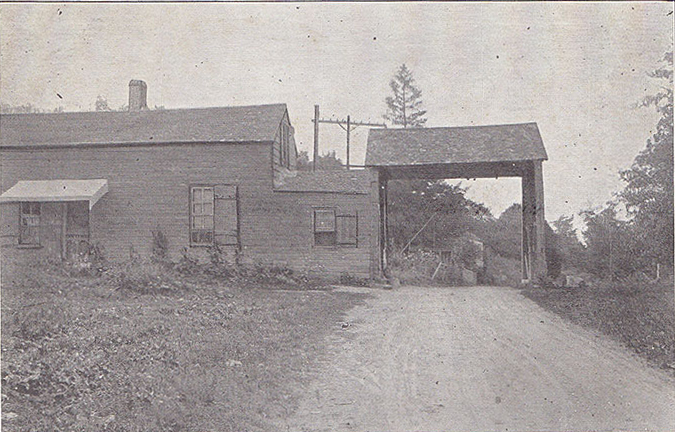
East Gate in Context
All Roads Lead To The River
After the Revolutionary War, New York City’s population surged, creating a growing demand for produce, grains, and livestock. For farmers in what are now Columbia County, NY, and Berkshire County, MA, this offered a reliable and profitable market. But getting goods to New York City required hauling them west to the Hudson River, where shipments were transferred onto sloops and carried down to the bustling port.
The journey, however, was far from easy. The road to Hudson was little more than a rutted track—snowbound in winter, muddy in spring, and littered with hazards year-round. When an early crew “cleared” trees, they often left behind jagged stumps between the wagon ruts. A cart could easily sink into the mud while passing over one, leaving the driver stuck and wondering what to do next. It’s said this is quite literally how people first found themselves “stumped.”
Clearly, there had to be a better way…
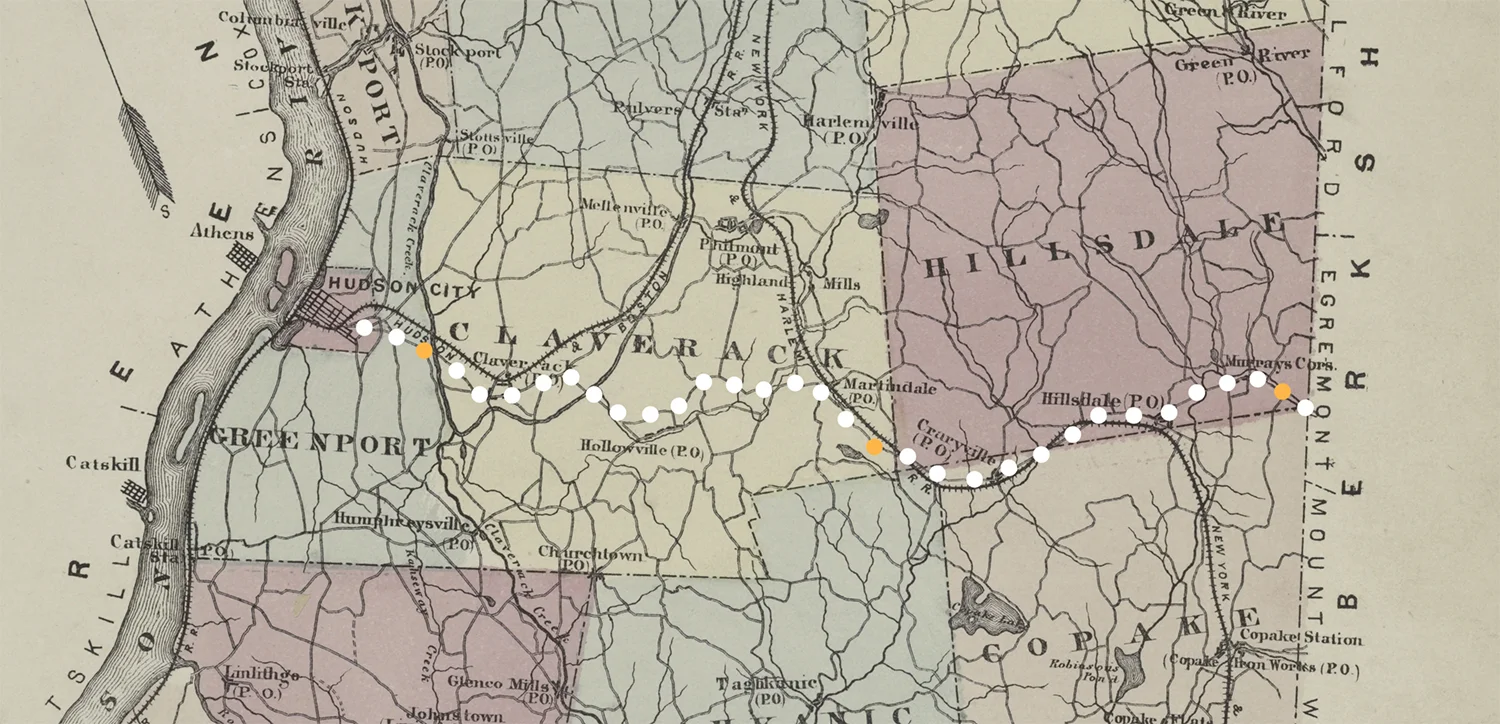
Columbia Turnpike Route
Lionel Pincus and Princess Firyal Map Division, The New York Public Library. "Columbia Co." The New York Public Library Digital Collections. 1873.
The Columbia Turnpike
In 1799, the New York State legislature authorized the creation of the the Columbia Turnpike Corporation "for improving the road, from the city of Hudson, to the line of Massachusetts, on the route to Hartford." The Columbia Turnpike was constructed, which more or less followed today’s routes 23 and 23B. It was the first turnpike in Columbia County and the fifth in New York State. The legislature also gave the right of the Corporation to use existing roads and approved the construction of three toll houses, spaced about ten miles apart. The revenues from the tolls paid by travelers covered the cost of construction and ongoing maintenance of the turnpike.
The Corporation attracted 13 “incorporators” or main investors. Capital stock was set at $25,000. The charter provided that incorporators were to pay $25 per share of stock and subscribers, $10. After the sale of 400 shares, with the total limited to $1,000 shares, election of officers was to take place.
Historic East Gate Toll House
The Toll Houses
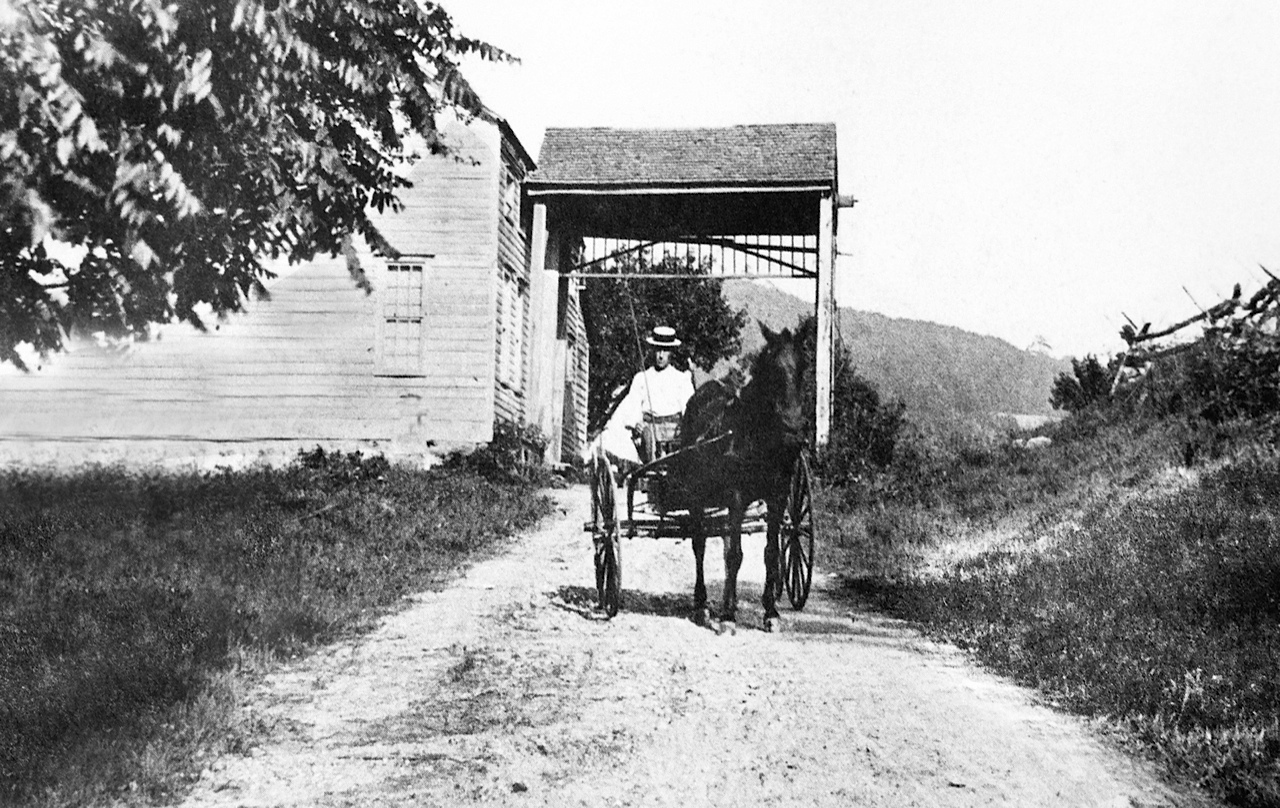
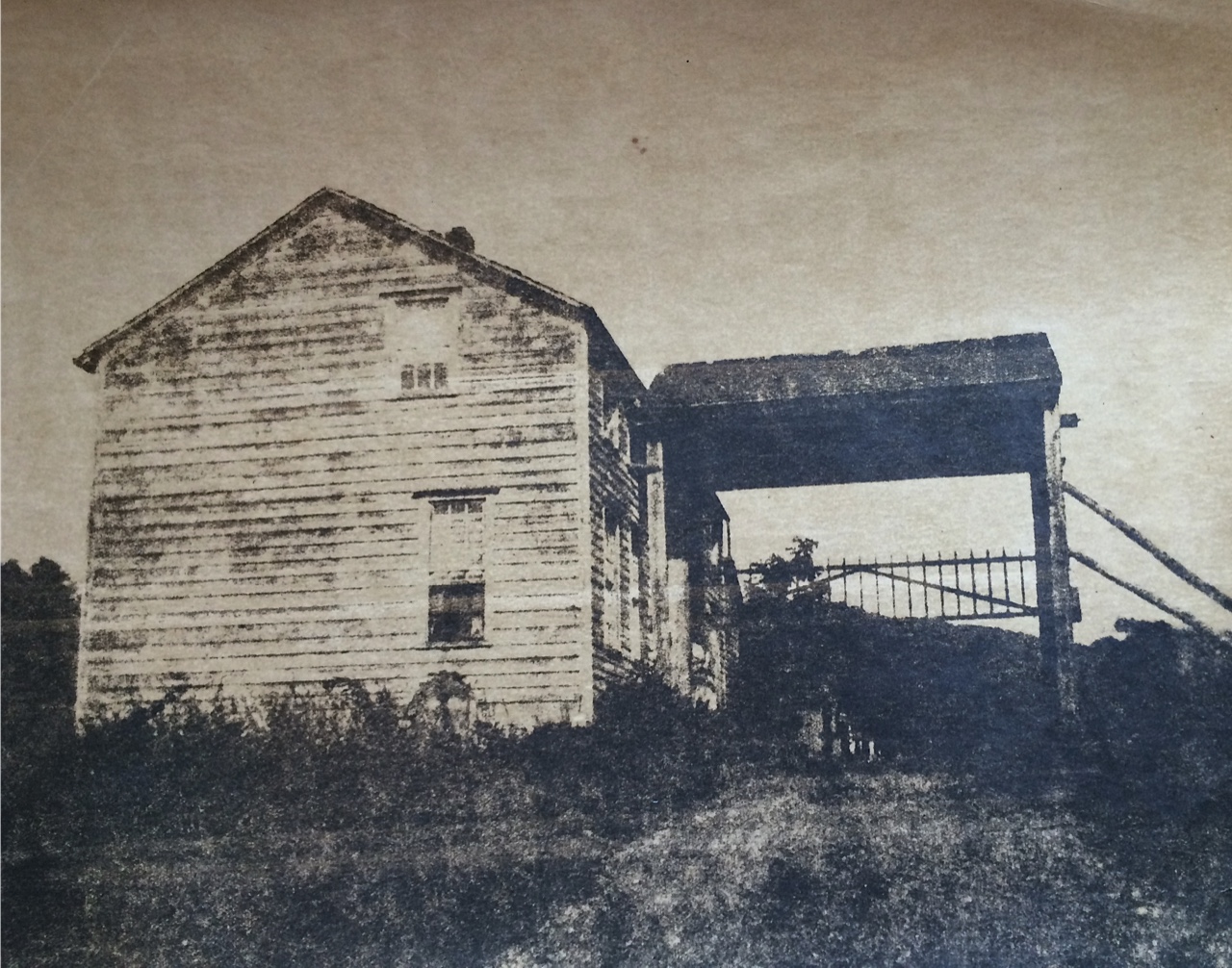
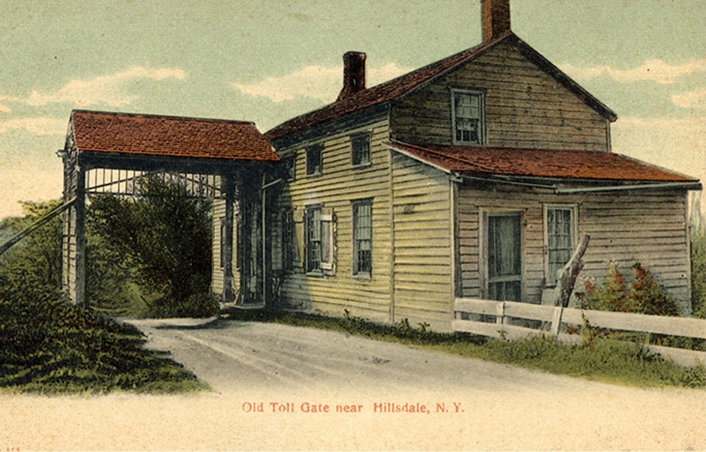
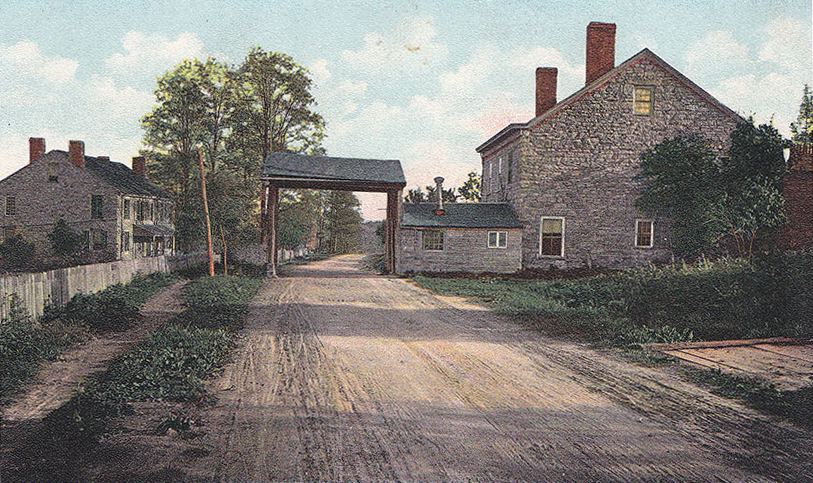
The three toll houses were known as the East Gate, in Hillsdale; the Middle Gate, in Martindale; and the West Gate, in Greenport. The turnpike operated until 1907. The East Gate Toll House was a private residence for generations until it was acquired in 1970 by Eldena Jenssen, who intended to preserve the venerable old building. Thanks to a generous donation from Copake Falls resident Edgar Masters, Friends of East Gate purchased the toll house from the Jenssen family in late 2016.
The East Gate Toll House was listed in the National Register of Historic Places in June 2016.